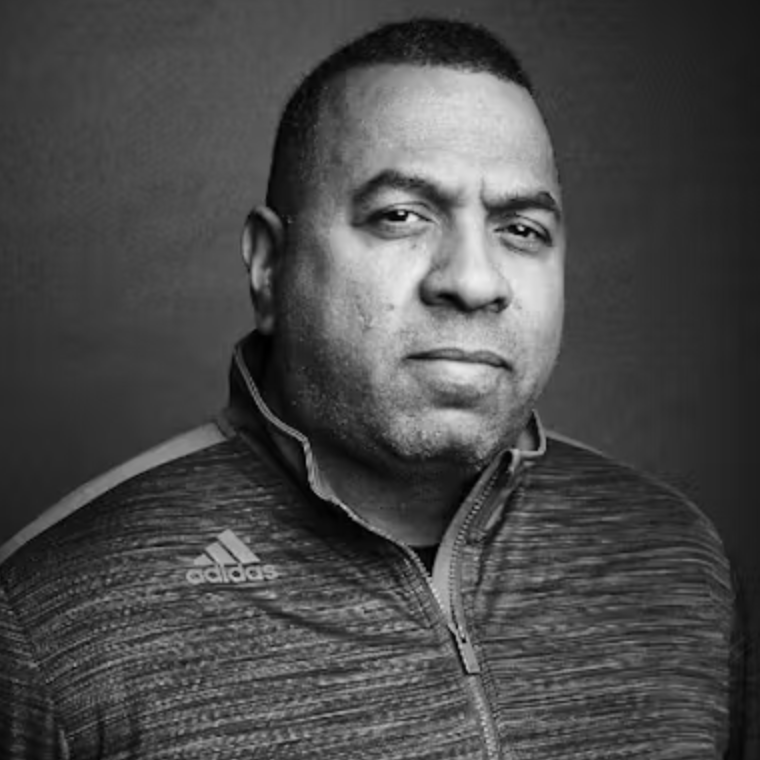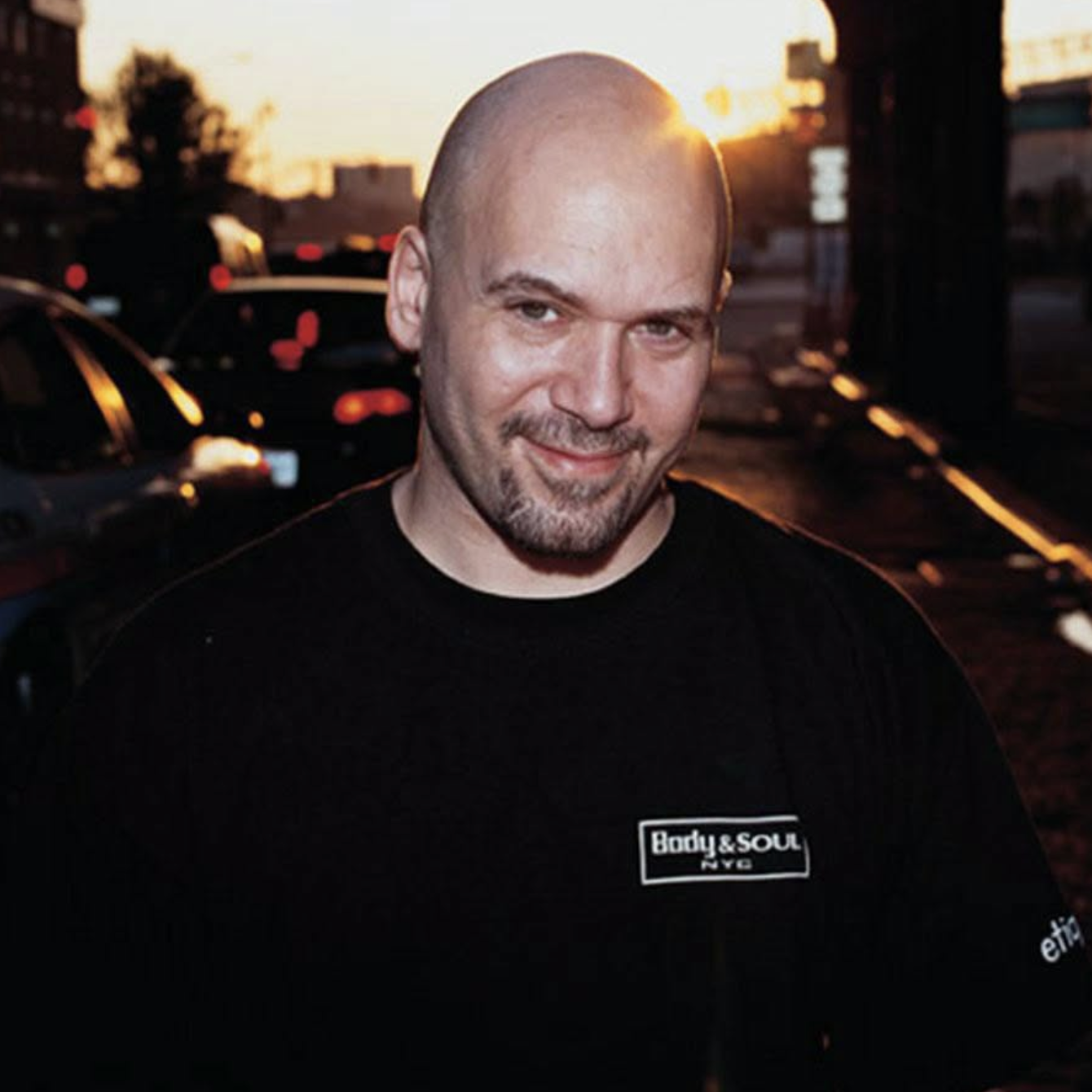
Tribute to Danny Krivit
by Joey Llanos (Paradise Garage)
A little bit about my brother Danny, Learn it!!!! He never ceases to amaze me! My brother brought it fresh off a compound broken leg. I attended two 718 episodes during this PRIDE weekend! The Goodroom and the boat ride. Always a welcomed lesson in the craft!! A true Master at Work! If you study the art of djing? Danny Krivit must be a part of the curriculum!
Danny Krivit is widely regarded as one of the foundational architects of New York’s underground dance music culture—a bridge between the original disco era, the birth of garage and house music, and today’s global soulful dance scene. His legacy is not just about longevity; it is about taste, musical intelligence, and preserving a philosophy of DJing rooted in emotional storytelling.
Early History: Born Into Music
Danny Krivit was born in 1957 and grew up in New York City, specifically in Greenwich Village, surrounded by musicians, club owners, and music industry figures. His father owned the legendary Village club The Ninth Circle, while his mother was a jazz singer. Because of that environment, Danny encountered artists like Chet Baker, James Brown, Jimi Hendrix, and even John Lennon at a young age. Music was not a hobby in his household—it was daily life.
By age 13–14, he was already obsessed with records and sequencing music. In 1971, he began DJing professionally at The Ninth Circle, just as disco culture was starting to emerge in New York. This placed him at ground zero of a revolution.
The Disco Era: Student of the Masters
Danny came up in the golden age of New York dance culture, studying under and alongside giants such as:
* David Mancuso
* Nicky Siano
* Walter Gibbons
* Tee Scott
* Larry Levan
* François Kevorkian
Among these influences, two institutions shaped him most deeply:
The Loft
The Loft taught Danny the spiritual side of DJing: community, musical openness, and emotional flow.
Paradise Garage
Paradise Garage exposed him to the power of sound system culture and transformative dancefloor energy. Danny became close friends with Larry Levan and absorbed Larry’s genius for tension, release, and drama in a set. Larry reportedly admired Danny’s ability to create beautiful, emotional musical journeys.
Given your own deep Paradise Garage history, you likely understand this distinction well: Danny was not a Larry clone—he absorbed the Garage ethos but developed a softer, more groove-driven, deeply musical approach.
The Roxy Years: Crossing Into Hip-Hop
In 1979, Danny became resident DJ at The Roxy for four years.|
This is a major reason his legacy extends beyond disco.
The Roxy became a melting pot where:
* disco
* funk
* early house
* breakbeats
* hip-hop, all collided.
He shared space with pioneers like:
* Grandmaster Flash
* Afrika Bambaataa
* GrandMixer DXT
Danny even incorporated scratching, earning the nickname “Danny Rock.” This flexibility—moving between Black dance music forms without losing authenticity—is one reason so many DJs respect him.
The Master of the Re-Edit — “Mr. K”
If Danny Krivit had done nothing but DJ, he would still be legendary.
But he also transformed dance music through re-edits.
As Mr. K, Danny became arguably the most influential re-edit producer in dance history.
A re-edit is not a remix in the modern sense. It’s a DJ craft:
* extending intros
* isolating percussion
* emphasizing breakdowns
* improving dancefloor functionality while respecting the original record
Danny’s edits became famous because they were:
* subtle
* musical
* respectful to the original groove
* devastatingly effective on a dancefloor
Many modern edit culture labels owe something to Danny’s blueprint.
When DJs today play extended disco edits, there’s a direct lineage back to Mr. K.
Body & Soul: Carrying the Sacred Flame
In 1996 Danny joined Body & Soul with:
* François Kevorkian
* Joe Claussell
Body & Soul became one of the most important post-Garage parties in the world.
For many, it was the closest spiritual successor to Paradise Garage and The Loft:
* audiophile sound
* long sets
* no superstar ego
* deep community
* musical freedom
Danny’s role in Body & Soul was crucial.
Where Joe often brought spiritual Afro-Latin intensity and François brought dub/tech sophistication, Danny anchored the room with:
* soulful disco
* classic garage energy
* impeccable pacing
That balance made the trio magical.
718 Sessions: Danny’s Personal Signature
Since 2002, Danny’s party 718 Sessions has become a beloved institution in New York.
718 Sessions represents Danny in pure form:
* rare disco
* soulful house
* boogie
* funk
* obscure edits
* impeccable vinyl selection
Many younger DJs study his sets like textbooks.
What makes 718 special is that Danny still plays with an old-school philosophy:
Read the room. Build trust. Tell a story.
Not just “play bangers.”
That distinction separates DJs from selectors—and selectors from masters.
Why Danny Krivit Matters
Danny Krivit’s greatest legacy may be this:
He preserved the human side of DJ culture.
In an age of:
* sync buttons
* instant downloads
* short attention spans
* algorithm-driven music discovery
Danny represents:
* patience
* deep crate digging
* musical memory
* dancefloor psychology
He teaches that DJing is not merely technical.
It is emotional architecture.
He is one of the last living links connecting:
* The Loft
* Paradise Garage
* disco
* garage
* house
* modern underground dance culture
That lineage is incredibly rare.
Legacy in One Sentence
Danny Krivit is not just a legendary DJ—he is one of the great musical custodians of New York dance culture, a selector whose ears, edits, and dancefloor intuition helped carry the spirit of disco, Paradise Garage, and soulful house across five decades.
As many dancers still say: If Danny is playing, expect a lesson in groove, soul, and history.